Massachusetts Realty Group

Fee Structure: what goes into an exterior repair quote

How a written quote is put together

A written quote for exterior work is a list of separate costs, and the list is where two quotes for the same house tend to differ. The lines usually cover materials, labour, removal and disposal of the old work, permits where a town requires them, scheduling, and the warranty behind the finished job. A quote that gives one total with none of these lines is hard to check, whatever the total is. A lower total that leaves out flashing, removal or a permit can cost more by the end of the job than a higher total that names every item. Ask each business for the same list of lines, so that the quotes can be set side by side. The price is only one part of the decision.
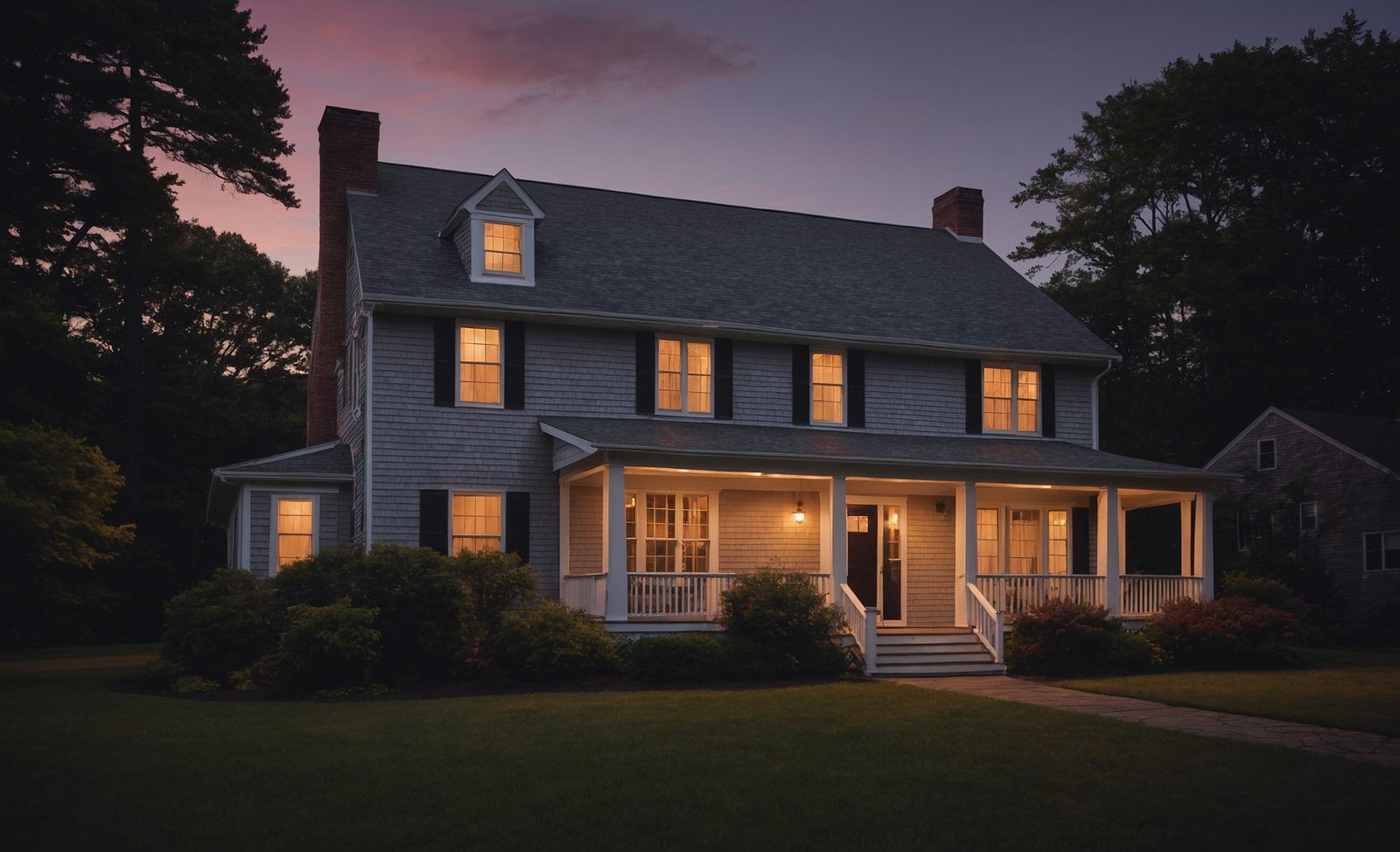
A two-storey Cape-style house at dusk with a fresh dark roof, new white gutters and a lit porch lantern.
An AI-generated image of a finished exterior. It shows no particular house, job or contractor, and it stands in for the result a quote is meant to deliver.

Use the lines as a checklist. A line present in one quote and absent from the other is a question to put to both businesses in writing. It is not a reason to assume the cheaper quote is complete. Ask what each quote includes before comparing the totals. Keep a copy of every answer, because the written answers are what you will rely on later.

Reading two quotes side by side

Go down the same column of items in each quote, in the same order. Where one quote has a line and the other does not, ask both authors to state in writing whether the work is included. Where both quotes have a line, compare what the words describe, such as the product name, its grade and the quantity. Two quotes that describe different materials are not comparable, however close their totals are. A quote that names only a general category, with no product named, leaves the most room for later change. Put the two side by side on one page before you decide anything.

A roofer in a safety harness working on the shingles of a residential roof.
A stock photograph of a roofer at work. It shows the kind of job a labour line describes, and it is not a particular contractor or a quote.

The lines that decide the final cost

Most of the difference between two quotes sits in a few lines. Materials are the most visible, but removal, the condition of the decking under old roofing, and permits often change what the job costs once work starts. Ask for the schedule to be written into the contract, not left in conversation. Find out who pulls the permits, and whether the price includes that work. Check the start window and the payment schedule against the closing date. Compare these lines before you compare anything else.

  • Materials: the product, its grade and the quantity, not only a word such as "shingles" or "vinyl".
  • Labour: the crew, the days expected and whether a foreman is named.
  • Removal: whether the old work is torn off and hauled away, or left in place.
  • Hidden damage: how rotted decking or sheathing is priced if it turns up.
  • Schedule and payment: the start window and when each payment falls due.

Ask each business for a written quote before you decide, and compare the lines rather than the total. Put any question the quote cannot answer to the business in writing. The engagement process page sets out what happens after you choose. The timelines page shows when the work usually falls relative to a closing. Keep the signed quote with the contract so the two can be read together.