Common Questions about roofs, gutters, windows and siding in a sale
These are the questions that tend to come up when a roof, gutters, windows or siding is in view during a sale. Each answer says what it depends on. For most of them, the honest answer is that it depends. We have kept the wording plain so a first-time seller or buyer can follow it. Nothing here is a price, a timeline or a promise about any particular house.
What this page covers and who it helps
This page answers the questions that sellers and buyers raise about the outside of a house once a sale is in view. It is written for people preparing a listing, reading an inspection report or deciding what a house needs before they make an offer. The answers stay general on purpose. Roof age, the materials used, how the house was built and the terms of the purchase contract all change the result. Each answer therefore names the thing it depends on. Where the general answer is clear, it is stated plainly.
Answers to the questions people ask first
Should a seller repair the roof before listing?
It depends on whether the roof is leaking or only aged. A leak is usually worth addressing before listing, because it is the item most likely to come up in negotiation. For an older roof with no leak, a seller often weighs the cost of work against a credit the buyer would ask for anyway. The decision belongs to the seller, with the listing agent's advice on what the local market will bear. Get any repair quote in writing before choosing.
Do gutters and siding have to be fixed before a sale?
Not always. Gutters that are sagging or clogged are often a small repair. Siding that is loose or letting water in is worth a written estimate. Cosmetic wear on siding does not usually need work before a sale. What matters most is whether water is getting in. The inspector's note will usually make clear which of these situations applies.
Are old windows a reason to walk away?
Usually not. Failed seals and fogged glass are generally a comfort and cost item rather than a structural one. Rot at the frame or sill is more serious, because it can mean water has been getting in. Ask the inspector which windows are affected and why. A specific answer from the inspector is worth more than any general rule.
What should a buyer do with a roof note in the report?
Ask for the roof's age and any repair or inspection records first. If the report flags a leak or wear, ask for a written assessment from a roofer. Ask for proof of insurance, a written proposal and references before you sign anything. For the detail on choosing a roofing contractor, roof warranties and maintenance, see the National Roofing Contractors Association consumer page. Then decide between a repair and a credit with the figures in writing.
What a sound window fit depends on
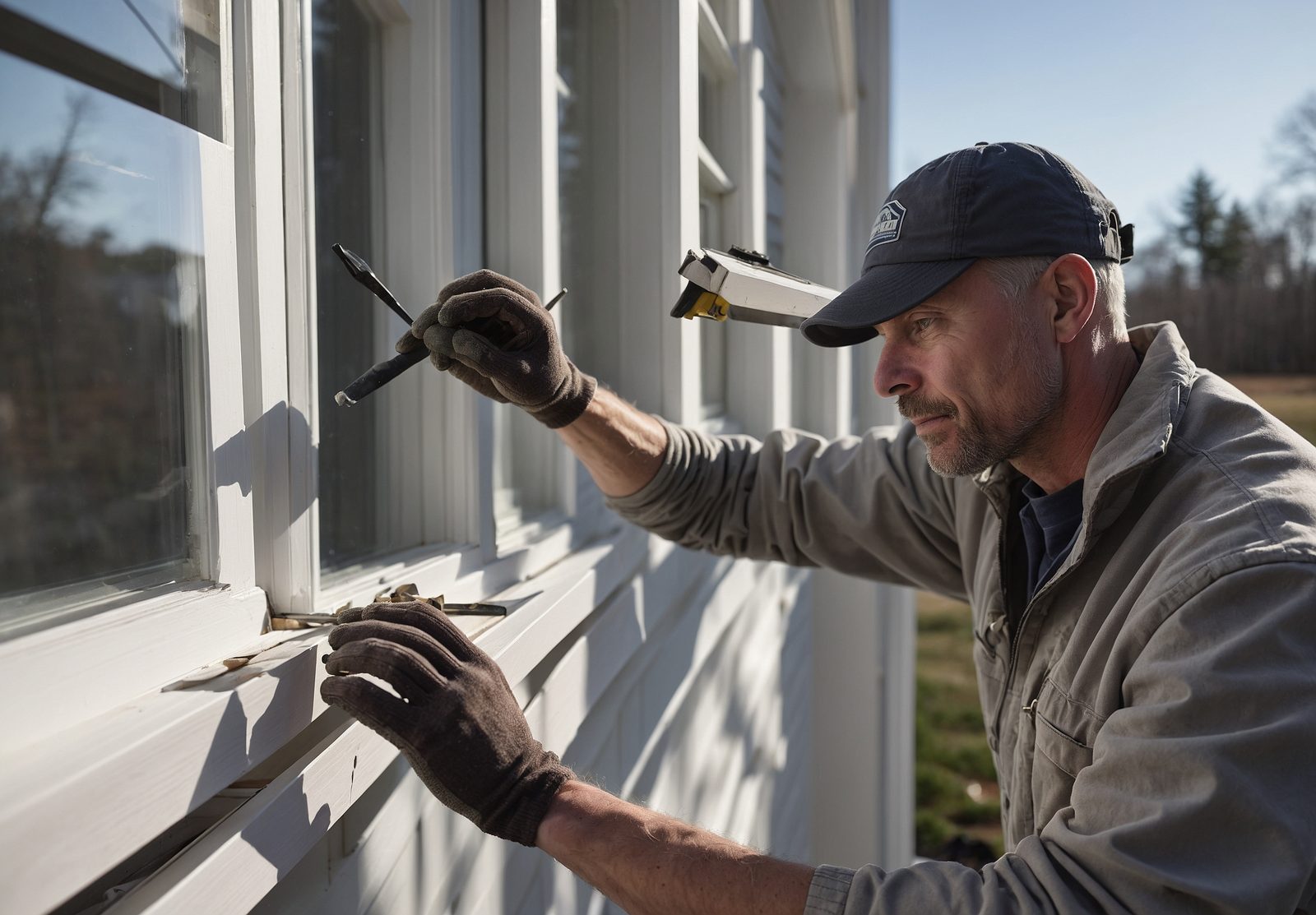
An AI-generated illustration of a window being set and levelled. Ask any installer how the frame is shimmed and fastened, because that work is hidden once the trim goes on.
The shape of this page, counted from the page itself
4parts of the outside of a house covered: roof, gutters, windows and sidingCounted from this page
0prices or timelines quoted on this pageCounted from this page
1outside source linked, on choosing a roofing contractorCounted from this page
What a roof repair shows, and what it hides
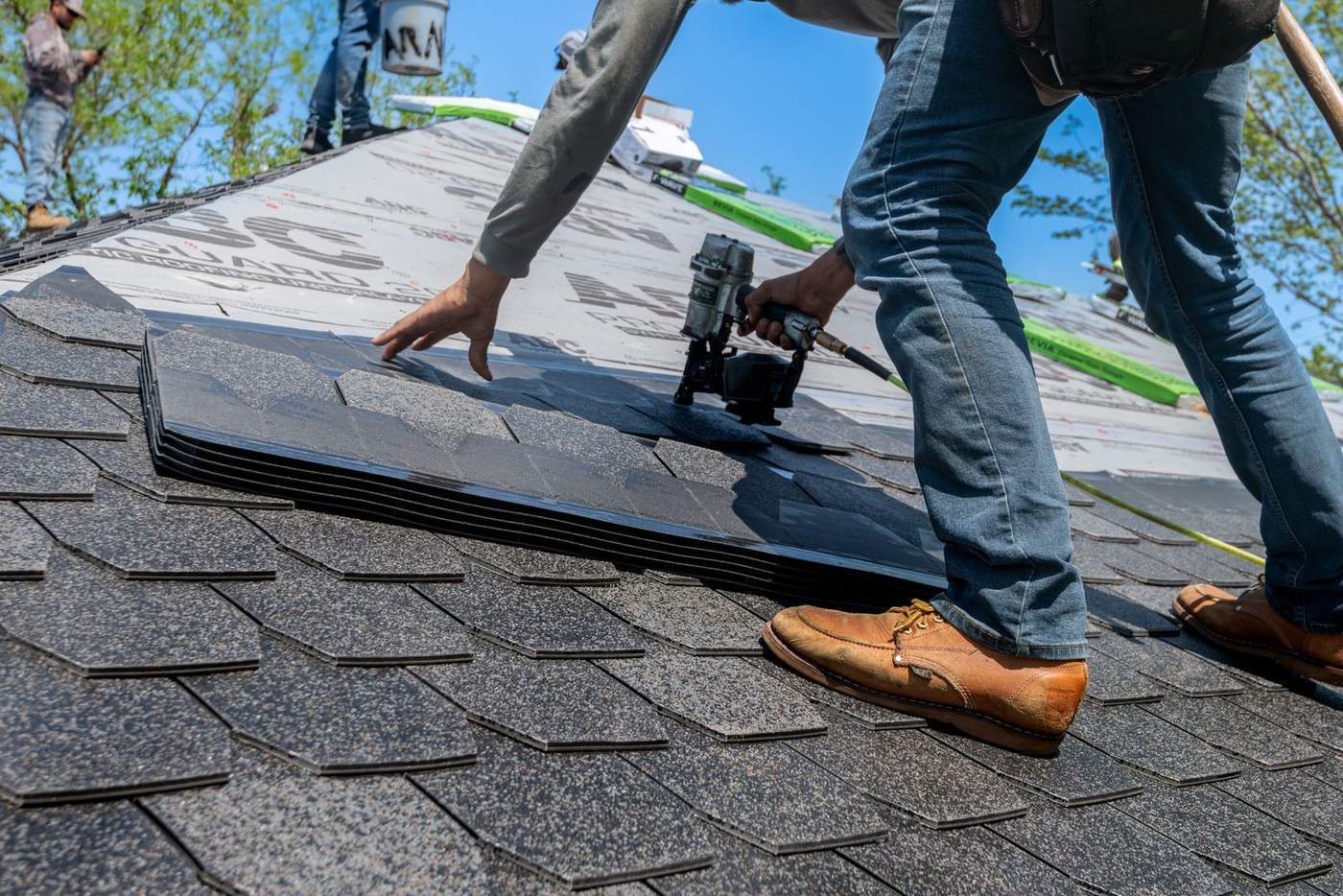
A stock photograph of a repair in progress. It shows the work, not the cause, which an inspector or roofer has to find first.
Two houses can look the same on paper
Two houses with the same roof age can call for different responses. One may have a leak and the other may not. One seller may have records and the other may not. A buyer should not assume a general answer carries over unchanged. Put the specific question to the inspector or to a written quote before deciding anything.