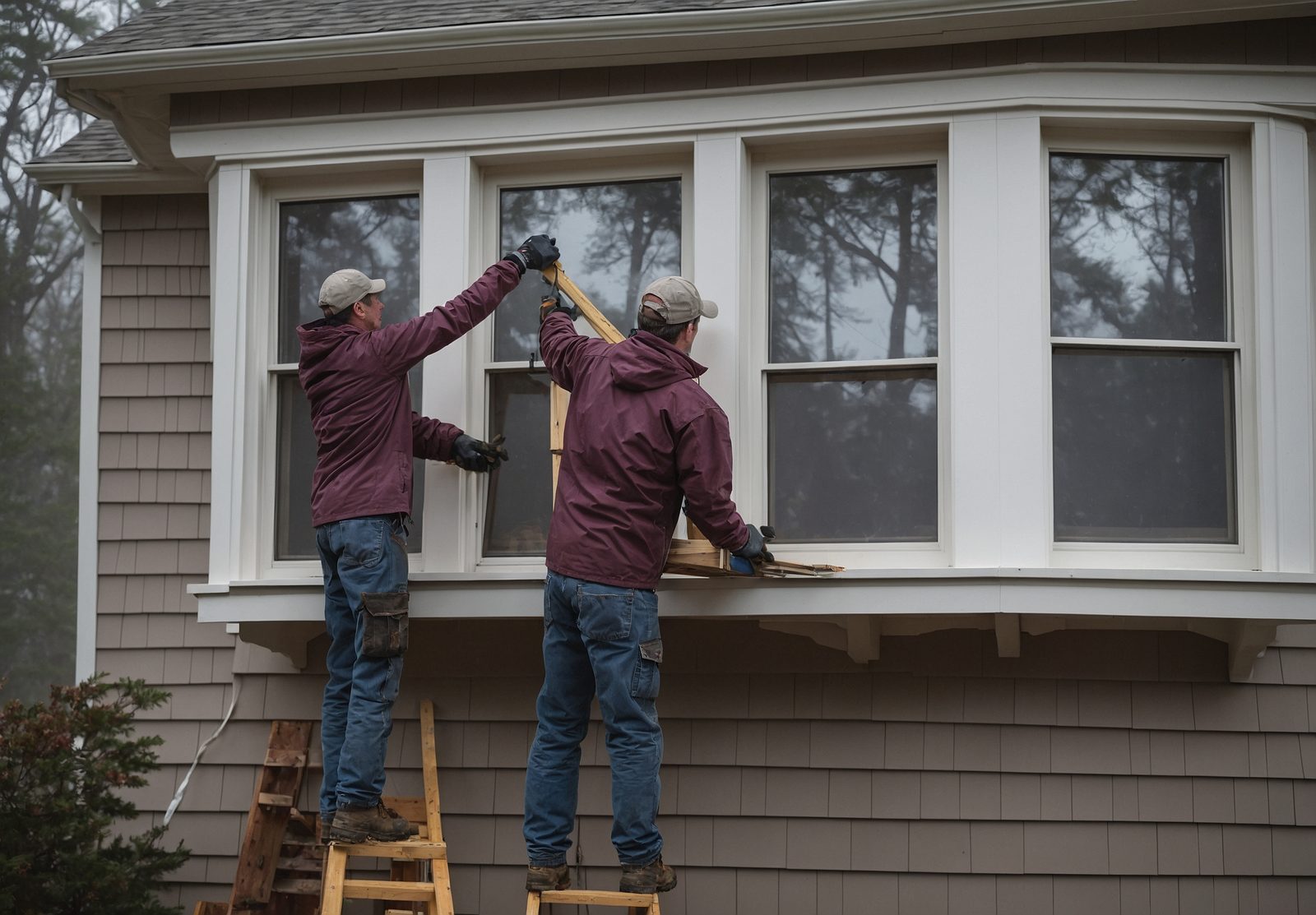
Credentials to check before any exterior contractor signs
This page lists what to ask a roofer, siding or window installer to show before signing, and how to check each item with the state office that keeps the record. It is written by a realty group, which holds no trade licence and makes no claim of one for itself. Nothing here vouches for any particular company.
Paperwork is the first thing to read, not the last
A contract for exterior work is only as good as the paperwork behind the person who signs it. Before a sale, that paperwork matters twice: once for the repair itself, and once because a buyer's inspector or a lender may ask what was done and by whom. Many of the questions a reader needs answered are not hard, but they are easy to skip when a crew is waiting and a closing date is close. This page sets out four items to ask for, and says where each one can be checked. Each item is checked against a state record or a written document, not against the contractor's own word. A reader who asks for these items at the start saves time at the end.
Ask for the paperwork before you ask for the price. A price given before the paperwork is in hand cannot be compared with anything. The paperwork is what makes the price a fair number to set beside another.
The four items are the state registration for home improvement work, a current certificate of liability insurance, a certificate of workers' compensation coverage, and a written warranty with its terms. Each one answers a different risk: who is licensed to do the work, who pays if someone is hurt, who pays if the work fails, and what the warranty actually covers. Ask for copies in writing, and keep them with the report. A verbal promise is not a substitute for any of the four. A contractor who will not provide one of them should come off the list.
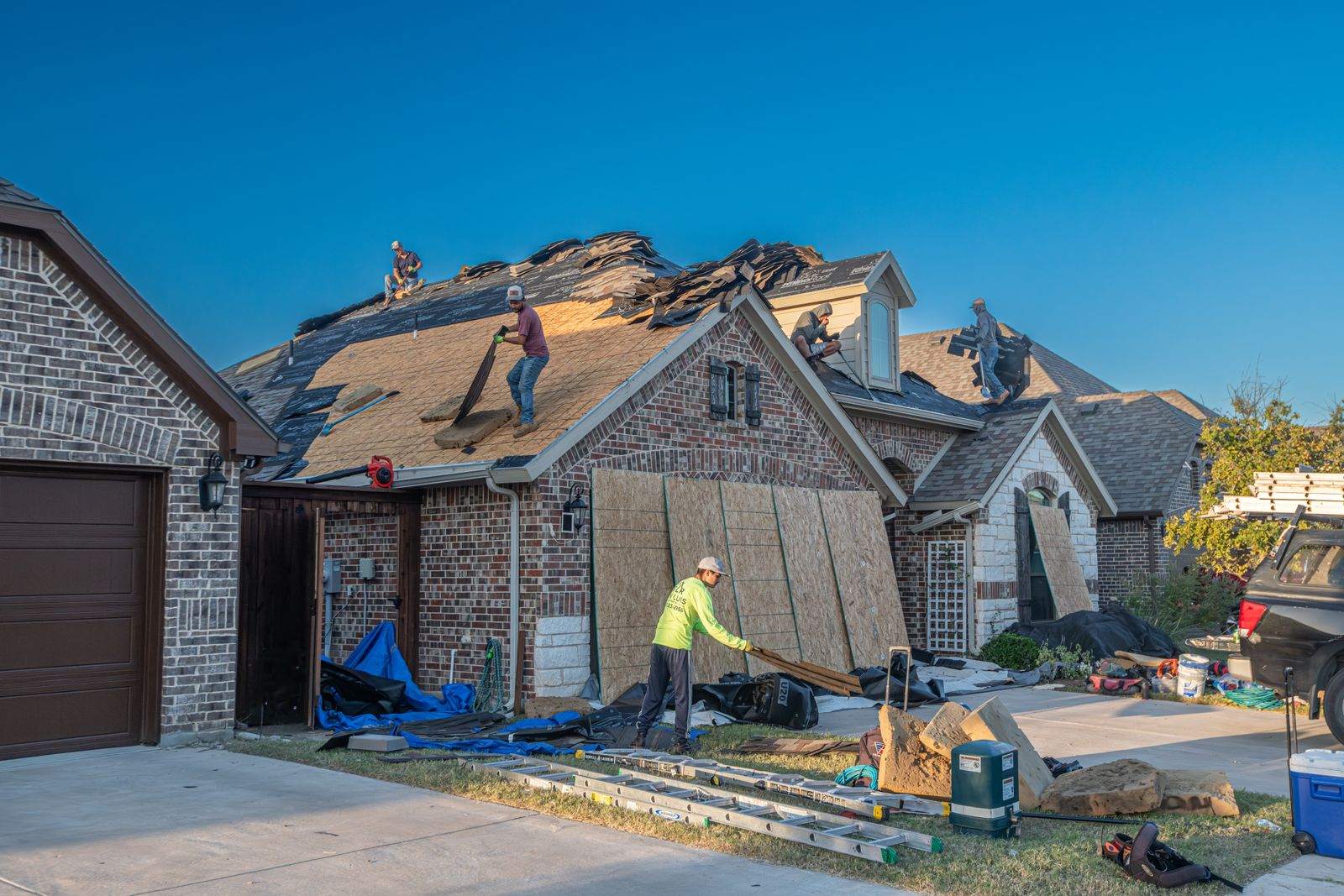
Where a window job needs its paperwork to be specific
A window installation is one of the jobs where a short quote hides the most. The frame, the flashing and the trim all sit inside the same opening, and each one can be left out of a quote without anyone noticing until the first wet season. Ask for the frame and the flashing to be named in the written scope, along with the sealant and the interior trim. Ask also whether the warranty covers the labour as well as the window unit, since the two are often separate. A reader should compare two window scopes line by line rather than comparing the totals. The pins mark the two places where a reader should look first.